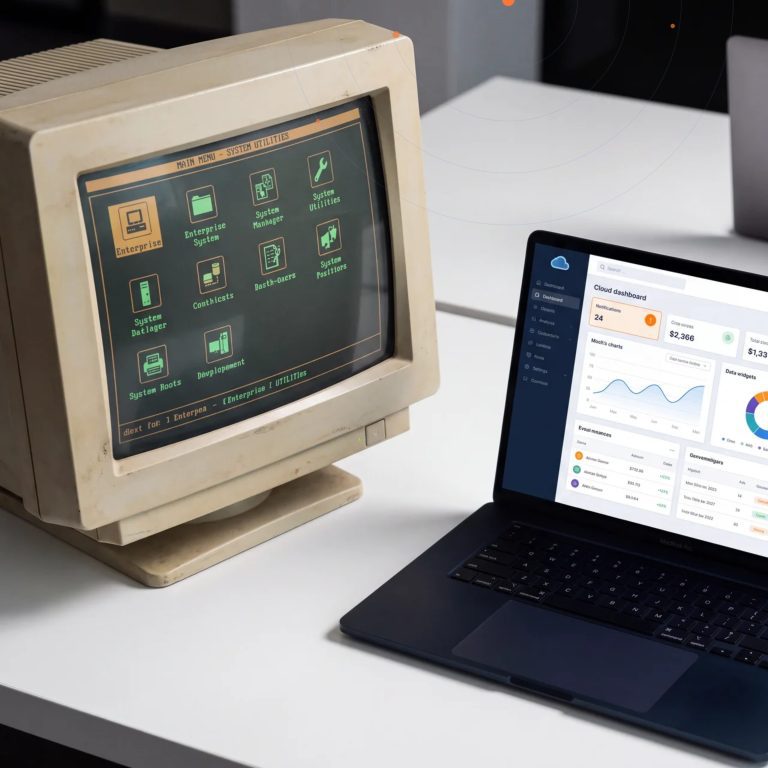


Low-code and no-code systems are revolutionizing banking. They offer efficient and cost-effective solutions. These systems streamline processes. They also enhance customer experiences. Banks can rapidly develop and deploy applications. This requires no extensive coding knowledge. It enables faster time-to-market. Banks gain greater agility in responding to market demands.
Banking Beyond Code: Unleashing Innovation with Low-Code & No-Code
This article explores low-code and no-code systems for banking. We’ll delve into their benefits, implementation, and real-world cases. We’ll also cover challenges and future possibilities in this dynamic sector. In a world valuing time and efficiency, low-code and no-code systems are game-changers. They empower users to create applications with minimal manual coding. This revolutionizes banking processes, streamlining and optimizing them.
Low-code and no-code refer to software development platforms. These platforms let users build applications. They use visual interfaces and pre-built components. This requires little to no traditional programming. Low-code platforms involve some coding. No-code platforms design for users with no coding skills. The banking sector embraces these systems. They offer rapid application development and deployment, automate processes, and enhance customer experiences. These systems give banks agility and flexibility. They help banks adapt to market demands while maintaining compliance and security. Find out more about low-code development platforms.
Integrating AI and Machine Learning
The banking industry increasingly embraces digital transformation. Integrating Artificial Intelligence (AI) and Machine Learning (ML) into low-code and no-code systems is an exciting opportunity. AI-powered features enhance customer experiences. They streamline processes. They also provide valuable insights for better decision-making. Banks that combine AI and ML with low-code or no-code platforms can stay ahead. They deliver innovative services to customers. Explore the impact of AI in banking.
Expanding Digital Offerings for the Future of Banking
The future of banking lies in digital services. Low-code and no-code systems play a crucial role. They help banks expand their digital offerings. Demand for convenient, feature-rich digital banking services is rising. This includes mobile banking apps and online account management portals. By using low-code and no-code platforms, banks quickly develop and deploy new digital solutions. This meets customer expectations. It also helps them stay competitive in a rapidly evolving industry.
Conclusion: A More Efficient, Customer-Centric Future
Low-code and no-code systems continue to gain traction in banking. Their potential to drive innovation and transform traditional banking operations is clear. By embracing these technologies, financial institutions can stay ahead. They deliver enhanced services to customers. They also adapt quickly to the ever-evolving banking landscape.
Banks can pave the way for a more efficient, customer-centric, and digitally-driven financial future. They do this by focusing on emerging trends. They also commit to harnessing the full power of low-code and no-code solutions.
END
About Global iTS
Global Information Technology Solutions (Global iTS) is a leading IT company focused on empowering businesses through solutions built on their expertise and partnership with Microsoft Dynamics 365. They specialize in the BFSI sector, with a broad client base in the Financial Services, Insurance, and Investment industries, helping them optimize operations through digital transformation. Global iTS offers comprehensive, industry-specific services tailored to each company’s unique needs. Their commitment is to become the world’s most trusted technology partner for businesses.
Global iTS is Microsoft Dynamics 365 partner and has 11 offices globally, located in Bahrain, Saudi Arabia, UAE, Kuwait, Qatar, Oman, United Kingdom, Jordan, India, Pakistan and Singapore.