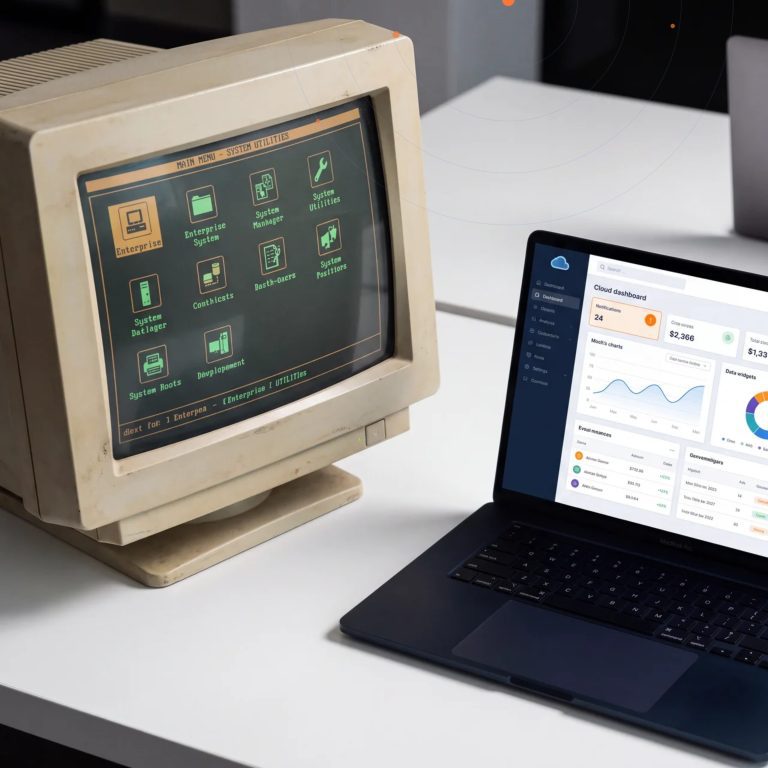


Microsoft Power Platform enables organizations to build low-code applications and automate processes directly on top of their ERP environment. For companies running Dynamics 365 ERP solutions in Saudi Arabia, this integration allows teams to digitize end-to-end business processes without disrupting core ERP functionality.
By leveraging Power Apps, Power Automate, and Dataverse, businesses can create localized automation layers that reflect regional operational needs, regulatory requirements, and enterprise-scale governance.
Best Practice 1: Align Automation with ERP-Centric Processes
Effective automation starts with understanding how processes are executed within the ERP system. Finance, procurement, supply chain, and HR workflows managed through Dynamics 365 should remain the system of record, while Power Platform acts as the orchestration layer.
For Saudi organizations using Microsoft Dynamics 365 ERP, this approach ensures:
- Data consistency across departments
- Reduced dependency on custom ERP code
- Faster adaptation to changing business or regulatory requirements
Best Practice 2: Extend, Don’t Customize Your ERP
A common challenge in ERP implementations is over-customization. Power Platform provides a cleaner alternative by allowing organizations to extend ERP functionality through low-code apps and automated flows.
Instead of modifying core Dynamics 365 modules, Saudi enterprises can:
- Build approval workflows using Power Automate
- Create role-based apps for field or operational teams
- Integrate external systems without impacting ERP upgrades
This approach keeps Dynamics 365 ERP deployments in Saudi Arabia future-proof and easier to maintain.
Best Practice 3: Design with Governance and Compliance in Mind
As Power Platform adoption grows, governance becomes critical—particularly for large enterprises and regulated industries within Saudi Arabia.
Best practices include:
- Establishing environment strategies aligned with ERP landscapes
- Implementing data loss prevention policies across Power Platform and Dynamics 365
- Controlling access based on ERP security roles
Strong governance ensures that automation initiatives support enterprise compliance standards while maintaining the integrity of Microsoft Dynamics 365 ERP environments.
Best Practice 4: Build User-Centric Apps on ERP Data
User adoption often determines the success of automation initiatives. Power Apps should be designed around how users interact with ERP data, not around technical structures.
For organizations operating Dynamics 365 ERP in Saudi Arabia, this means:
- Simplifying complex ERP screens into task-focused apps
- Supporting Arabic and English user experiences
- Enabling mobile access for operational and field teams
User-centric design bridges the gap between ERP complexity and day-to-day productivity.
Best Practice 5: Use Analytics to Measure Automation Impact
Automation without visibility limits long-term value. Power BI provides real-time insights into automated processes by visualizing ERP and Power Platform data together.
By integrating Power BI with Microsoft Dynamics 365 ERP implementations in Saudi Arabia, decision-makers can:
- Monitor process efficiency and exception rates
- Identify automation bottlenecks
- Support data-driven operational decisions
Best Practice 6: Localize Automation for the Saudi Market
Successful ERP and automation initiatives in Saudi Arabia must account for local business practices, compliance standards, and organizational structures.
Power Platform enables organizations to:
- Build workflows aligned with local approval hierarchies
- Support Saudi regulatory and reporting requirements
- Scale automation as ERP usage expands across entities
This localization strengthens the value of Dynamics 365 ERP solutions across Saudi enterprises.
Conclusion
Power Platform apps play a critical role in maximizing the value of ERP investments. When implemented strategically, they enable organizations in Saudi Arabia to extend Microsoft Dynamics 365 ERP beyond transactional systems into intelligent, automated business platforms.
By following best practices focused on integration, governance, and user experience, businesses can achieve sustainable automation that supports growth, compliance, and operational excellence.
Global iTS is a leading Microsoft Dynamics 365 ERP and CRM Partner, headquartered in the UK. With 300+ clients, successfully proven implementations, an excellent support system by our experienced domain specialist, and a good track record of customer retention. Also, it has a strong foothold and customer base across other GCC countries (Bahrain, Saudi Arabia, Oman, Kuwait, UAE, and Qatar).
Global iTS is mainly into the specialized requirements in Financial Services and Insurance sectors focusing on Digital Transformation journey in Retail Banking, Commercial Banking, Insurance Providers, Private Equity, and Investment Banking by bringing Artificial Intelligence, Machine Learning, Blockchain, and Robotic Process Automation technologies and enhanced their productivity and profitability. We bring in over 15 years of international expertise to digitally transform any aspect of a client’s business.