
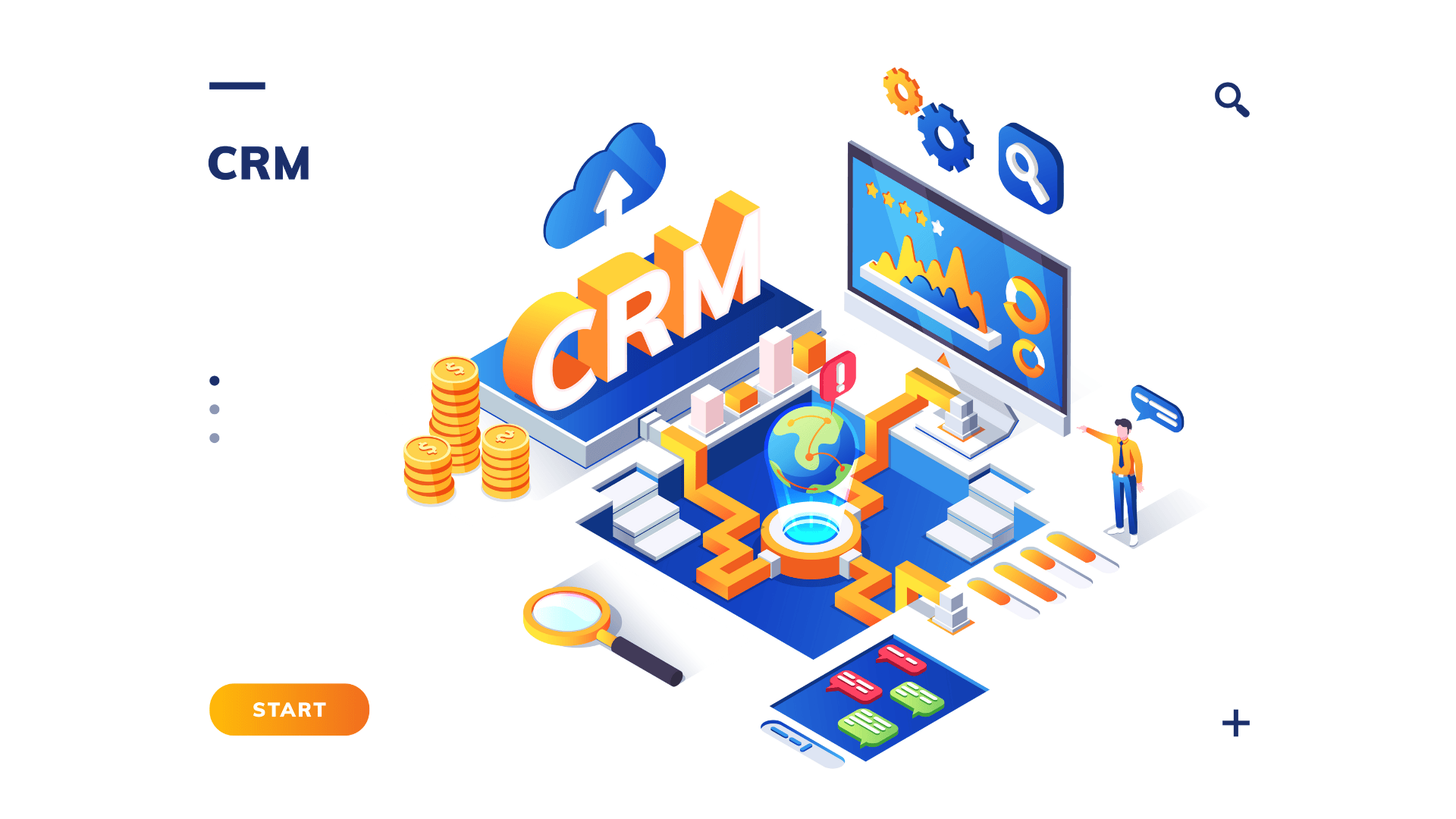
In today’s highly competitive insurance industry, robust Customer Relationship Management (CRM) systems are a critical necessity for insurance companies aiming for sustainable growth and digital transformation. Beyond simply selling policies, successful insurance providers must prioritize building strong, lasting customer relationships and enhancing customer engagement. By leveraging advanced insurance CRM software, insurers can significantly boost policyholder loyalty, increase customer retention, and ultimately, unlock substantial business growth and enhance the overall customer experience in insurance. Read more to learn how we can contribute to How CRM Transforms Insurance Customer Relationships.
Leading insurance companies are increasingly recognizing that CRM solutions are not just a tool but a strategic InsurTech investment for long-term success. These systems empower insurers to move beyond traditional sales approaches, optimize insurance policy management, and truly connect with their policyholders, fostering trust and loyalty. For more insights into broader CRM trends and their benefits for insurance, you might consult a reputable source on What is CRM? read more to know about CRM in the insurance sector.
Personalized Insurance to transform the overall customer experience in insurance
Insurance CRM systems are truly pivotal for growth. They enable insurers to collect comprehensive customer data: policy history, claims info, and communication preferences. Consequently, this rich data empowers insurance agents and brokers to deliver highly personalized interactions. They can, for example, offer tailored insurance product recommendations and provide a truly engaging customer journey. Furthermore, a sophisticated CRM platform proactively identifies policyholders nearing renewals, automatically triggering customized offers or discounts. This consistent focus on individual needs builds lasting connections, thereby unlocking substantial business growth and transforming the customer experience in insurance.
Data-Driven Personalization in transformation of the insurance industry
CRMs in the insurance sector centralize diverse customer data points, thus allowing insurers to create highly specific customer profiles. This data, in turn, informs everything from product suggestions to preferred communication channels, ultimately ensuring every interaction feels relevant.
Tailored Product Recommendations
With detailed customer insights, insurers can accurately identify gaps in coverage or opportunities for new policies. As a result, this leads to more effective cross-selling and upselling, since recommendations are genuinely aligned with individual needs.
Improved Insurance and ultimate growth in insurance customer relationships
CRM software for insurance serves as a centralized hub for all customer interactions. It grants agents and customer service reps a complete 360-degree view. This information, therefore, ensures faster, more efficient, and inherently more personalized service. Moreover, it streamlines claims management and inquiries, thereby elevating the overall service quality.
Centralized Customer Information
A single, unified view of customer interactions means agents no longer waste time searching for data. This, consequently, streamlines service processes, allowing for quicker issue resolution and consistent messaging across all touchpoints.
Streamlined Claims Processing
By having immediate access to policy and claims history, agents can expedite the claims process. In turn, this reduces customer frustration and improves the efficiency of internal claims teams, leading to faster payouts and higher satisfaction.
Increased Insurance Customer Retention & Loyalty
By deeply understanding policyholder needs, insurance providers can proactively reduce customer churn. Additionally, CRM systems excel at pinpointing “at-risk” customers. They can, likewise, automatically trigger targeted re-engagement campaigns. This proactive approach is key to building enduring customer loyalty and maximizing lifetime customer value. For more on retention strategies, explore resources on Customer Retention Best Practices.
Proactive Churn Prevention
CRM analytics can identify patterns or behaviors that indicate a customer might be considering leaving. Hence, this allows insurers to intervene with targeted offers or outreach programs before churn occurs, ultimately preserving valuable relationships.
Automated Loyalty Programs
CRMs can automate the delivery of personalized communications, loyalty rewards, and proactive service reminders. This consistent engagement, in essence, reinforces the customer’s value and strengthens their bond with the insurer.
Enhanced Insurance Sales, Cross-Selling & Upselling Opportunities
CRM tools are invaluable assets for identifying lucrative cross-selling and upselling opportunities. Specifically, by intelligently analyzing customer data, insurers pinpoint coverage gaps. They also identify life events needing additional insurance products that align perfectly with their policyholders’ evolving needs. For example, a CRM system easily identifies homeowners who might bundle home and auto insurance, or recommends life insurance to new parents. This proactive lead management for insurance agents drives incremental sales and expands client portfolios.
Opportunity Identification
CRM’s analytical capabilities allow insurers to detect ideal moments for offering new or additional products. This, for instance, could be triggered by life events (marriage, new home) or gaps in existing coverage discovered through data analysis.
Targeted Lead Management
For insurance agents, CRMs transform raw data into actionable leads. By knowing precisely which products a customer is most likely to need, agents can focus their efforts more efficiently, thereby leading to higher conversion rates and improved sales performance.
Improved Operational Efficiency & Automation in Insurance
CRM automation dramatically streamlines manual tasks in customer relationship management. This includes data entry, policy administration, and reporting. This efficiency, consequently, frees insurance agents and other employees. They can now focus on strategic, high-value initiatives: cultivating deeper customer relationships, providing proactive support, and solving complex problems. Practical examples include automated renewal notices, seamless customer feedback collection, and automated onboarding. This significantly improves insurance workflow management. Indeed, many leading cloud CRM for insurance solutions offer robust automation.
Task Automation
Automating routine administrative tasks like data entry, reminder emails, and report generation drastically reduces the workload on employees. This, in turn, allows them to allocate more time to complex problem-solving and direct customer interaction. Thus contributing to How CRM Transforms Insurance Customer Relationships.
Streamlined Workflows
CRM platforms standardize and optimize various operational workflows, from policy issuance to customer onboarding. This, as a result, reduces errors, speeds up processes, and ensures consistency across the organization.
Data-Driven Decision Making & Market Insights for Insurers
Insurance CRM platforms provide an unparalleled wealth of valuable insights into customer behavior, market trends, and operational performance. This robust, actionable data, therefore, empowers insurance businesses to make informed strategic decisions. This covers new product development, dynamic pricing strategies, targeted marketing campaigns, and overall business strategy. For example, analyzing comprehensive customer feedback within the CRM highlights areas for improvement in offerings or service. Leveraging AI in insurance CRM can further enhance predictive analytics and insights, providing a powerful tool for strategic planning. For deeper dives into insurance technology, consider exploring reports from leading insurance technology analysts.
Strategic Product Development
By analyzing customer feedback and behavioral data within the CRM, insurers can identify unmet needs or emerging demands. This, critically, directly informs the development of new, highly relevant insurance products. Thus contributing to How CRM Transforms Insurance Customer Relationships.
Optimized Marketing & Pricing
CRM insights enable insurers to create highly targeted marketing campaigns, reaching the right audience with the right message. They can also inform dynamic pricing strategies based on customer segments and market trends, ultimately maximizing profitability.
Conclusion
In today’s competitive insurance market, building strong customer relationships is essential for success. By implementing a robust CRM system, insurers can leverage data to personalize the customer experience, improve customer service, increase customer retention, and drive significant growth. Thus unlocking substantial business growth and enhance the transformation customer experience in insurance. To read and learn more about our core insurance ERP and CRM systems that can help your organization navigate this transformation, please visit our solutions page to see the rest of our products.
About Global iTS
Global Information Technology Solutions (GiTS) is a leading IT company focused on empowering businesses through solutions built on their expertise and partnership with Microsoft Dynamics 365. They specialize in the BFSI sector, with a broad client base in the Financial Services, Insurance, and Investment industries, helping them optimize operations through digital transformation. GiTS offers comprehensive, industry-specific services tailored to each company’s unique needs. Their commitment is to become the world’s most trusted technology partner for businesses.
GiTS now has 11 offices globally, located in Bahrain, India, Jordan, Pakistan, UAE, Saudi Arabia, Oman, Kuwait, Singapore, and more.