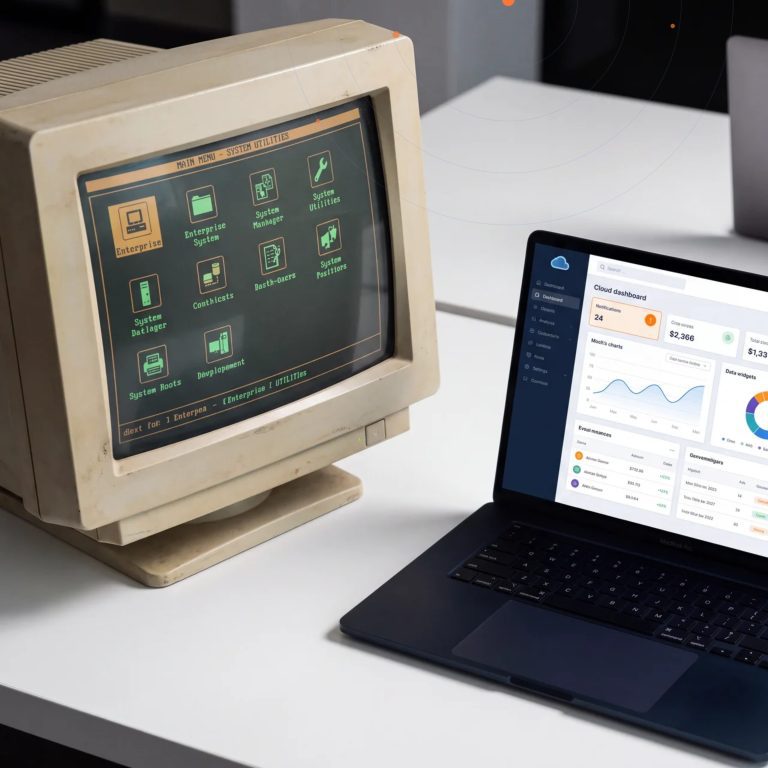


No-code/low-code development platforms have already revolutionized how businesses build software, empowering individuals with limited coding experience to create powerful applications. But what does the future hold for this transformative technology? To understand the trajectory of this shift, delve into recent analyses on the future of low-code and no-code development and predictions for its widespread adoption. Let’s explore some key trends and predictions:
The Future of No-Code platforms: trends and predictions
What does the future hold for this transformative technology? Here’s what we can expect:
1. Artificial Intelligence (AI) Integration
Firstly, expect to see AI-powered automation integrated more deeply into no-code platforms. This will automate tasks like code generation, testing, and debugging. Moreover, platforms will leverage AI to provide intelligent recommendations for design choices. They’ll also suggest optimal workflows and even predict potential issues.
2. Enhanced User Experience
Next, no-code platforms will become even more user-friendly with intuitive interfaces. These include drag-and-drop features, natural language processing, and voice commands. Furthermore, expect to see increased rich media support for elements like videos, audio, and augmented reality (AR)/virtual reality (VR) within no-code applications.
3. Industry-Specific Solutions
Additionally, we’ll likely see the emergence of niche platforms tailored for specific industries. These could include healthcare, finance, and education. Consequently, industry-specific templates and components will accelerate development and ensure compliance with industry regulations.
4. Increased Focus on Security and Governance
Moreover, no-code platforms will incorporate built-in security features. These will protect applications from vulnerabilities and data breaches. Furthermore, enhanced governance capabilities will ensure compliance with data privacy regulations and maintain control over application development and deployment.
5. Integration with Emerging Technologies
Beyond that, expect seamless integration with IoT devices. This will enable the creation of smart applications that interact with the physical world. Also, look for increased blockchain integration for secure data management and decentralized applications.
6. The Rise of “Citizen Developers 2.0”
Finally, citizen developers will evolve beyond basic application building. They’ll be developing more complex and sophisticated solutions. As a result, collaboration between citizen developers and professional developers will become more seamless, leveraging the strengths of both groups.
Conclusion:
To summarize this blog covering No-Code platforms trends and predictions. The future of no-code platforms development is bright. As these platforms continue to evolve and mature, they will empower businesses to innovate faster, reduce development costs, and unlock new levels of creativity and productivity. By embracing these trends, organizations can stay ahead of the curve and leverage the full potential of no-code/low-code development to drive success in the digital age.
Learn more about Global iTS and our offerings here
END
Global Information Technology Solutions (GiTS) is a leading IT company, primarily focused on empowering businesses through robust solutions. These solutions are specifically built on their deep expertise and a strategic partnership with Microsoft Dynamics 365. Notably, they specialize in the BFSI (Banking, Financial Services, and Insurance) sector, serving a broad client base across the Financial Services, Insurance, and Investment industries. In essence, GiTS helps these organizations effectively optimize operations through comprehensive digital transformation. Moreover, GiTS offers comprehensive, industry-specific services, each meticulously tailored to every company’s unique needs. Their unwavering commitment is to become the world’s most trusted technology partner for businesses.
As a testament to their global reach, GiTS now boasts 11 offices globally, strategically located in Bahrain, India, Jordan, Pakistan, UAE, Saudi Arabia, Oman, Kuwait, Singapore, and beyond.