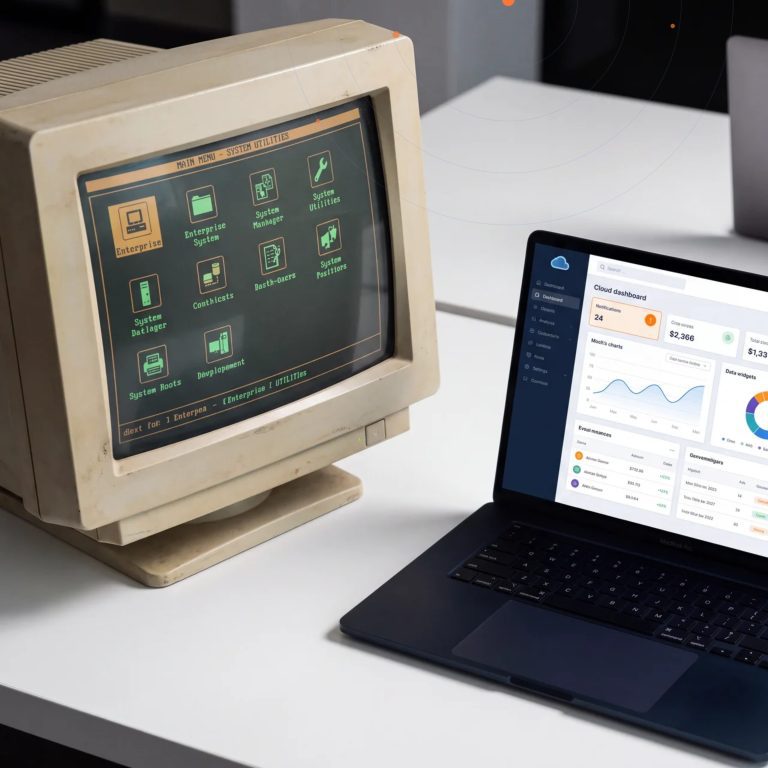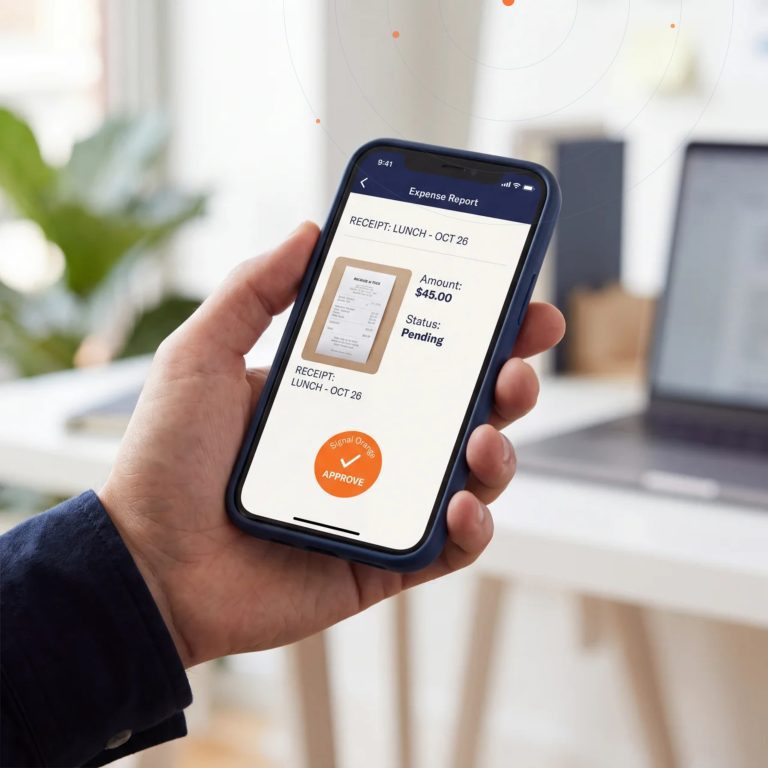


In today’s fast-paced digital world, businesses need to be agile and responsive to changing market demands. For insights into developing business agility, explore resources on strategic agility. Traditional software development can be a lengthy and resource-intensive process, hindering the ability to quickly adapt and innovate. This is precisely where Unlocking Business Potential with No-Code/Low-Code Platforms becomes crucial. These platforms empower businesses to break free from these constraints by providing tools for rapid application development. Learn more about how no-code and low-code solutions can transform your operations and lead to significant business growth and efficiency. Read more to see how we are unlocking business potential with no-code/low-code platforms.
Unlocking Business Potential with No-Code/Low-Code Platforms
However, a new wave of technology is empowering businesses to break free from these constraints: no-code/low-code development platforms. These platforms allow individuals with limited or no coding experience to build and deploy applications. They use visual interfaces, drag-and-drop components, and pre-built templates. To learn more about what these platforms are and how they work, check out detailed explanations of no-code development and low-code platforms. Read more to see how we are unlocking business potential with no-code/low-code platforms.
Understanding No-Code/Low-Code Platforms: FAQs
Q: What are no-code/low-code platforms?
A: These platforms allow users to create software applications with minimal to no coding. They use visual interfaces, drag-and-drop components, and pre-built templates to simplify development.
Q: Who can use these platforms?
A: Anyone! From citizen developers (employees with limited coding experience) to professional developers, these platforms empower a wider range of individuals to build applications.
Q: What are the benefits of using no-code/low-code platforms?
A:
- Speed and Agility: Enjoy rapid application development and faster time-to-market.
- Reduced Costs: Benefit from lower development expenses and increased efficiency.
- Increased Innovation: Empower employees to build solutions and drive innovation.
- Improved Collaboration: See better communication and collaboration between business and IT.
Q: What are some examples of applications built with no-code/low-code platforms?
A: Common examples include CRM systems, workflow automation tools, mobile apps, data dashboards, and various internal business applications.
Conclusion:
This blog summarizes how we are unlocking business potential with no-code/low-code platforms. No-code/low-code platforms are democratizing software development, empowering businesses to innovate faster and unlock new levels of efficiency. By leveraging these platforms, organizations can break down barriers to entry, accelerate their development cycles, and gain a competitive edge in today’s dynamic market.
END
About Global iTS
Global Information Technology Solutions (Global iTS) is a leading IT company focused on empowering businesses through solutions built on their expertise and partnership with Microsoft Dynamics 365. They specialize in the BFSI sector, with a broad client base in the Financial Services, Insurance, and Investment industries, helping them optimize operations through digital transformation. Global iTS offers comprehensive, industry-specific services tailored to each company’s unique needs. Their commitment is to become the world’s most trusted technology partner for businesses.
Global iTS is Microsoft Dynamics 365 partner and has 11 offices globally, located in Bahrain, Saudi Arabia, UAE, Kuwait, Qatar, Oman, United Kingdom, Jordan, India, Pakistan and Singapore.