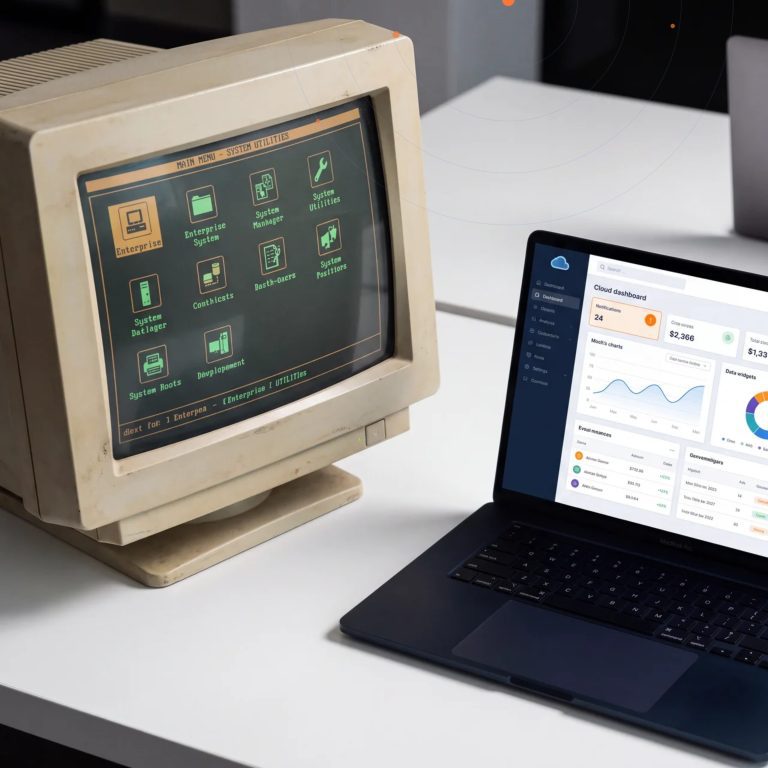


The traditional software development process is often slow, expensive, and relies on highly specialized skills. This can create a bottleneck for businesses, hindering their ability to innovate quickly and respond to changing market demands. For insights into these challenges, explore why traditional software development can be problematic. However, a new wave of technology is disrupting this paradigm: low-code development platforms. This shift is truly about Low-Code, Big Impact: Democratizing Software Development.
These platforms empower individuals with limited or no coding experience to build and deploy applications. They use visual interfaces, drag-and-drop components, and pre-built templates. By abstracting away much of the complexity of traditional coding, low-code platforms democratize software development, making it accessible to a wider range of users. Learn more about how low-code democratizes development and the visual aspects of these platforms. More below about, Low-Code, Big Impact: Democratizing Software Development.
Low-Code, Big Impact: Democratizing Software Development
The Rise of Citizen Developers
One of the most significant impacts of low-code platforms is the rise of citizen developers. These are individuals within an organization, such as business analysts, marketers, or even end-users. They leverage these platforms to build and deploy applications that address specific business needs.
Key Benefits of Low-Code Development
Low-code development offers several key benefits:
Accelerated Development
Firstly, low-code platforms significantly speed up the development process. This allows businesses to quickly prototype and deploy new applications.
Reduced Development Costs
Moreover, by minimizing the need for professional developers, businesses can significantly reduce development costs. This consequently accelerates their return on investment.
Increased Agility
Furthermore, businesses can respond more quickly to changing market demands. They can also adapt swiftly to new opportunities.
Empowerment of Citizen Developers
Finally, low-code platforms empower employees to build solutions that directly impact their work. This fosters a culture of innovation and increases employee engagement.
Applications of Low-Code Development
Low-code platforms are being used across a wide range of applications, including:
- Customer Relationship Management (CRM) applications
- Workflow automation tools
- Mobile applications
- Data visualization dashboards
- Internal business applications
The Future of Low-Code Development
The future of low-code development is bright. As the technology continues to evolve, we can expect to see even more powerful and sophisticated platforms emerge. This will further democratize software development, ultimately empowering individuals and businesses to unleash their creativity and drive innovation.
Conclusion
Low-code development platforms are revolutionizing the way software is built and deployed. By empowering individuals with limited coding experience, these platforms are breaking down barriers to entry and democratizing access to technology. As businesses continue to embrace digital transformation, low-code development will play a crucial role in enabling them to innovate faster, become more agile, and gain a competitive edge
About Global iTS
Global Information Technology Solutions (Global iTS) is a leading IT company focused on empowering businesses through solutions built on their expertise and partnership with Microsoft Dynamics 365. They specialize in the BFSI sector, with a broad client base in the Financial Services, Insurance, and Investment industries, helping them optimize operations through digital transformation. Global iTS offers comprehensive, industry-specific services tailored to each company’s unique needs. Their commitment is to become the world’s most trusted technology partner for businesses.
Global iTS is Microsoft Dynamics 365 partner and has 11 offices globally, located in Bahrain, Saudi Arabia, UAE, Kuwait, Qatar, Oman, United Kingdom, Jordan, India, Pakistan and Singapore.